

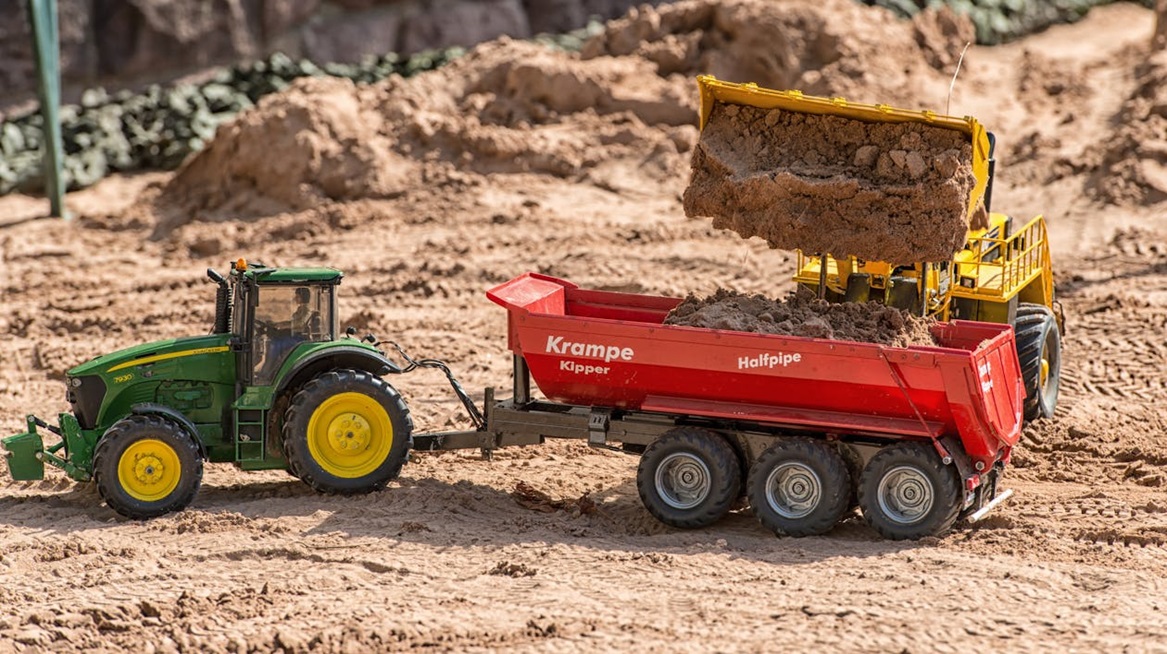
The construction industry is under increasing pressure to reduce its environmental footprint and the construction fleet is a major part of that equation. Moving toward a greener fleet is about smarter business, as it’s important to keep operating costs low while attracting environmentally conscious clients. Finding practical strategies to transform your fleet management into an engine for sustainability can be very beneficial for your business.
This guide will highlight how fleet management systems can become greener to achieve a much more sustainable future for the construction industry. Continue reading to find out more.
Green Fleet Management Strategies
Cutting Back on Fuel
The quickest win often lies in how we manage plant hire equipment. Modern machinery often burns a surprising amount of fuel just sitting still, so it will be using up unnecessary emissions. Implementing telematics systems allows managers to track exactly when and where equipment is idling, so they can coach operators and automatically shut down engines after a set period.
Optimising logistics using software to schedule equipment movements efficiently between sites minimises unnecessary travel and fuel burn. It’s also important to keep construction systems well-maintained to ensure they are running at peak efficiency, using less fuel to do the same work.
Embracing Low Emission Equipment
While large excavator and dumper rentals are often the main choice for many construction projects and are the most efficient, many smaller tools and pieces of equipment that have lower emissions can be good for becoming more sustainable. Investing in these items not only eliminates local emissions but also drastically reduces noise pollution on site, which is a huge benefit in urban areas.
For equipment that can’t be fully electric yet, exploring options that use alternative fuels like renewable diesel (HVO) can cut greenhouse gas emissions by up to 90% without requiring major engine modifications. This makes it an immediate, high-impact solution for transitioning your heaviest assets to lower carbon operation.
Maximising Machine Lifespan
A sustainable fleet strategy needs to ensure that all machinery is taken care of to maximise the lifespan of the equipment. Extending the life of your existing equipment reduces the demand for new manufacturing, which can be costly and use up more of your resources. This means moving from reactive repairs to a predictive maintenance schedule.
Utilising equipment health monitoring helps you catch small issues. This keeps machines running safely for longer, so you don’t have to worry about your fleet getting damaged or your workforce getting injured while using it. When the equipment can’t be used anymore and it’s reached end of life, you need to ensure that you look for responsible disposal and recycling to ensure you remain sustainable all the way to the end.
Final Thoughts
Streamlining fleet management is now considered essential for the success of a green construction project. Having a well-managed fleet ensures that the pursuit of sustainability is not a secondary goal, as you use it as a cost-effective component of the entire construction process. This can lead to both a healthier planet and more profitable projects for your business.













Leave a Reply