

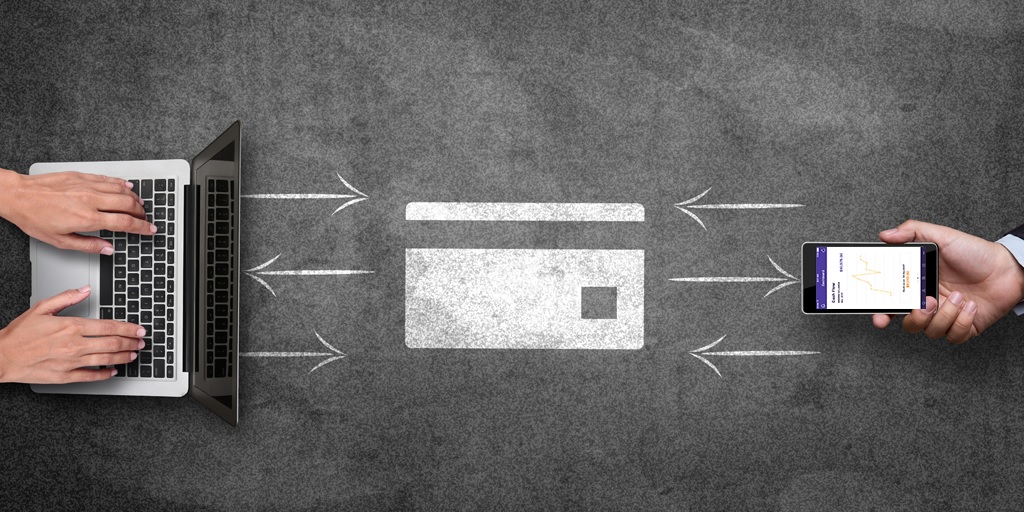
One of the major challenges that merchants face is chargebacks. And while sometimes it can happen as a result of friendly fraud, other times it is pure criminal fraud leading to losses on the merchant’s side. However, understanding the common reasons for chargebacks can help one learn how to reduce credit card chargebacks. Below are some of the most common reasons for chargebacks.
Fraud
Fraud occurs when a customer claims they did not participate in a transaction. However, a chargeback dispute can help you prove otherwise as long as you have evidence that the cardholder participated in the transaction. For instance, you can use a signed delivery receipt or a completed sales voucher to show that the customer did authorize the transaction. If you are constantly facing chargebacks, you need to put in place strategies to screen for suspicious activity. This can help you identify fraudulent transactions before they affect your business.
Cardholder Does Recognize a Transaction
Another reason for chargebacks is when a customer fails to recognize a transaction on their credit card statement. To defend yourself, provide the acquirer with the necessary details, including the full description of the purchased product or service. One of the reasons a business may face this challenge is if the business’s name is not the name registered under the bank. So when a customer sees a strange name they are yet to do business with, they automatically assume it is a fraudulent transaction.
Canceled Subscription
This type of chargeback occurs when a customer is charged some money even after canceling a subscription. Often, they result from misunderstandings or misreading the terms and conditions of a subscription. Maybe a customer expected to be notified before every recurring charge, but they did not get a notification. This may also happen if there is some hidden information on your website stating that customers will automatically get charged after a free trial. However, seeing as how some customers can file a chargeback even after receiving their products, it is important to have as much evidence as possible.
Canceled/ Returned Goods
Here, the customer canceled a transaction or returned products and has yet to receive their refund. This is particularly common with eCommerce businesses where customers cancel a transaction but are still charged. To defend yourself, you may have to prove that, under your business’s terms and conditions, a customer is not entitled to a refund. For any business that receives this type of chargeback, update your policies regarding cancellation. Ensure you provide clear guidelines that a customer can easily read and agree to.
Products Not Received
This type of chargeback happens when a customer claims they did not receive a service or product. To dispute this chargeback, you will have to produce compelling evidence that the customer received the goods. It can be in the form of a signed delivery receipt. The last thing you want is for your merchant account to be labeled as high risk.
Chargebacks have seen a lot of businesses lose their revenue. As an entrepreneur, you must have measures in place to ensure you prevent as many chargeback claims as possible.














Leave a Reply